Artificial Intelligence is transforming workplaces at an unprecedented pace, however, Shadow AI Culture is something that employers need to address. Employees across industries are integrating AI into their daily tasks, whether their employers permit it or not. This growing trend, often referred to as “Shadow AI Culture,” presents both opportunities and risks.
Organisations that fail to acknowledge and address Shadow AI Culture risk exposure to serious data security issues and regulatory non-compliance. The responsible course of action is not to ignore or outright ban AI but to establish clear policies, provide structured AI training, and ensure the safe use of internal AI systems, thus avoiding Shadow AI Culture.
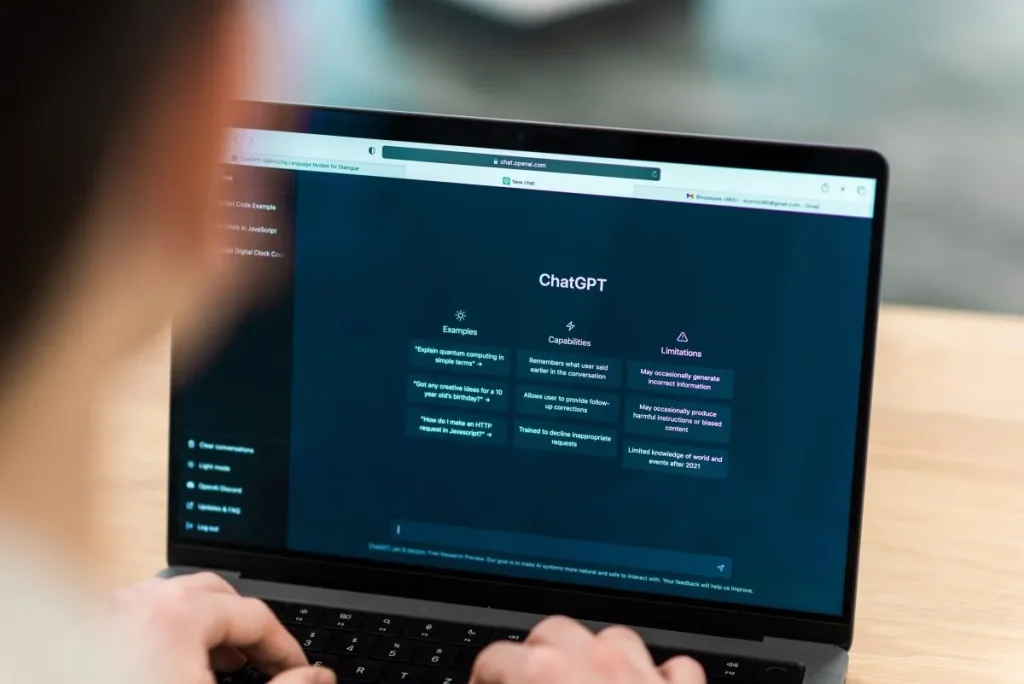
Employees are increasingly turning to AI-powered tools like ChatGPT, Copilot, and other generative AI applications to automate tasks, generate insights, and streamline workflows. While these tools can boost productivity, their unsanctioned use carries significant risks:
- Data Security Concerns: Many free AI platforms process user input data in ways that are not transparent to businesses. Sensitive company information entered into AI systems can be used to train future models, raising concerns over intellectual property and confidentiality breaches.
- Regulatory and Compliance Issues: Regulations such as GDPR impose strict data protection obligations on organisations. If employees unknowingly feed customer data into an external AI system, the company could face severe legal and financial consequences.
- Inaccurate or Unverified Information: AI-generated outputs can contain errors, biases, or misleading information. If employees rely on these without proper verification, it could lead to flawed decision-making and reputational damage.
The EU Artificial Intelligence Act 2024

The EU Artificial Intelligence Act is a regulatory framework designed to ensure the safe, ethical, and transparent use of AI technologies across Europe. As AI tools such at ChatGPT and Copilot become increasingly common in organisations, this new EU act addresses both the opportunities and challenges they may present.
For Irish businesses, the implementation of the AI Act signifies a shift towards a more structured and transparent AI environment. The Irish government has approved a roadmap for the act’s enforcement, designating eight public bodies as competent authorities responsible for overseeing its application across various sectors.
Irish businesses should be aware of the phased application of the act’s provisions. While the act entered into force in August 2024, its provisions are being applied in stages over several years. Notably, prohibitions on unacceptable AI practices took effect in February 2025, and obligations for high-risk AI systems are set to be enforced starting in August 2026. This timeline provides businesses with the opportunity to assess their AI applications, implement necessary compliance measures, and adapt to the evolving regulatory landscape.
The AI Economy in Ireland 2025
Trinity College Dublin, in collaboration with Microsoft conducted a research report to examine the current state of the AI economy in Ireland, this report includes insightful data that helps in providing a wider scope of how this technology is effecting the day to day operations of the Irish business sector.
For example, The report identifies a significant trend of employees using free or public AI tools, often without organisational approval, leading to the rise of what’s termed “Shadow AI Culture”. Despite most organisations having policies in place that discourage or ban the use of these tools, a surprising 80% of managers across sectors report that staff are still using them.
Geographic variations are also apparent, with 96% of managers in Northern Ireland reporting the use of free AI tools, compared to 75% in Ireland, where a more controlled culture appears to prevail. The EU Artificial Intelligence Act seeks to balance innovation with the need for responsible governance by establishing clear guidelines for AI tool deployment, ensuring transparency, accountability, and data quality across various sectors.
The Responsible Approach: AI Training and Internal AI Systems
Instead of attempting to outright prohibit the use of AI, which is often ineffective, businesses should take a proactive approach by implementing responsible AI policies and training programmes. Key steps include:
- Providing AI Training: Employees should be educated on both the potential and limitations of AI. Training should cover responsible usage, data privacy concerns, and how to fact-check AI-generated information.
- Developing AI Policies: Organisations must establish clear guidelines on acceptable AI use, specifying which tools are permitted and which types of data should never be shared with AI systems.
- Investing in Secure AI Solutions: One of the most effective ways to harness AI while mitigating risks is by using internal AI platforms. Paid versions of AI tools, such as ChatGPT Enterprise or Teams accounts, offer enhanced security by ensuring that data is not used for training purposes. This means that sensitive company information can be processed safely without the risk of it being incorporated into a public AI model.
The Future of AI in the Workplace
Shadow AI Culture is not going away. Employees will continue to explore AI to enhance their productivity, whether formally approved or not. Forward-thinking businesses recognise that the key to AI success lies in embracing the technology responsibly rather than resisting it. By implementing robust AI training, clear policies, and secure AI solutions, organisations can leverage AI’s benefits while safeguarding their data, ensuring compliance, and maintaining trust.
In an era where AI is becoming an integral part of the workplace, the question is not whether companies should use AI—it is how they can do so responsibly. The businesses that take a proactive approach will be the ones that thrive in the AI-driven future.
To contact us today, please visit https://aitrainingsolutions.ie/